
Moving Into an Apartment or Condo in Miami: Checklist (COI, Elevator, HOA)
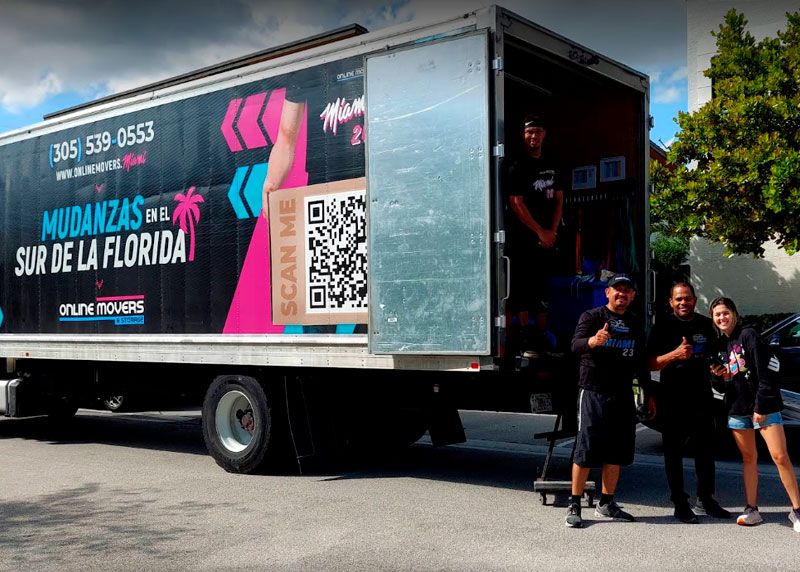
Relocating into an apartment or condominium in Miami is beyond packing up your possessions and renting a moving van. Each building comes with its own set of processes, from insurance documentation to elevators to loading docks to HOA requirements.
Missing any of these requirements forces you to face unnecessary delays, additional costs, and rescheduled moves. No matter if it’s a Brickell high-rise, a Miami Beach condominium, or a Coral Gables apartment, the process will go much smoother if you plan. In this blog, you will become familiar with moving into an apartment checklist.
Key Takeaways
- Request the COI from the start: Find out what your building requires for insurance and give that information to your movers.
- Book the elevator: Get your scheduled appointment times and find out if you need to have padding on the elevator.
- Know your HOA policies: See move-in hours, application deadlines, deposit requirements, and other fees before you set a move-in date.
- Get the truck info: Check loading dock and parking availability, and confirm truck size requirements.
- Prepare the packing: Mark boxes by room and have things ready for your first night.
1. Request Certificate of Insurance (COI)
A Certificate of Insurance (COI) proves your moving company has insurance coverage. Many Miami condominium associations and apartments need this form before allowing the movers to enter their buildings.
The building needs this to regulate some of the risks related to common areas, elevators, and other communal facilities.
First, contact your property manager/HOA and request the building’s COI requirements. Specify:
- Legal name of the condominium association/property management company.
- Building address and any other unit info required.
- Required minimums of liability coverage.
- Workers’ compensation documentation needed.
- If the association/company needs to be included as an additional insured on the policy.
- Deadline for submission and approval.
Forward these requirements to your moving company once the moving date is set. Do not think that you can use some default certificate and it will align with the building’s requirements.
Checklist: Get building’s COI requirements, pass them to your mover, and confirm with the management that the documentation has been provided.
2. Book the Service Elevator in Advance
In most high-rise buildings, it is not possible to use passenger elevators for carrying furniture and large boxes when relocating. It becomes necessary to book a service elevator in these cases.
These bookings might be only available at certain hours, so it may have a bearing on your entire relocation process.
Contact the management office for confirmation regarding:
- Whether it is mandatory to reserve a service elevator.
- On which days and at what hours you can relocate.
- How much notice should be given to make this booking.
- For how long you can use the elevator during the process.
- If padding of the elevator and hallways is mandatory.
- If the presence of a member of the building management during the relocation is mandatory.
Book the elevator as early as you can. While some buildings require a few days of notice, others might ask for more notice periods or even restrict weekends for booking.
Checklist: Even though you book the elevator, you might still have to arrange a loading dock independently.
3. Being Familiar With HOA Rules and Move-In Fees
Each condo association or managed apartment community may have its own move-in process in place. This is done to ensure safety, security, and minimal disruption to other residents.
It is important that you acquire the move-in packet for the building before arranging your move.
Pay special attention to:
- Move-in applications: There are some cases where the association requires residents to fill out forms and get approval.
- Moving hours: Moves could be confined to specific weekdays and hours of the day.
- Moving charges: Fees can be charged for administrative purposes or to reserve the elevator.
- Damage deposits: There could be deposits charged for any damage done to the common area of the building.
- Security measures: The security may ask for the person’s ID and give notification.
- Contractor policies: There could be specific policies for movers and contractors.
Knowing what fees can be refunded, how deposits will be refunded, and if there is an inspection to be done before or after moving.
Be advised that just because you have a start date or closing date for your lease does not mean that you can move into the unit. The dates need to match up as well.
Checklist: Fill out necessary paperwork and fees, and receive written approval.
4. Verify Loading Dock Availability and Truck Parking
Reserved elevators will be of no help if the moving truck is unable to access the designated building’s loading dock. This point becomes particularly relevant when moving in the congested areas of Miami such as Brickell, Downtown Miami, and Miami Beach.
Make sure that before moving day you know about the designated truck entrance, loading dock location, vehicle restrictions (in terms of height, etc.), and time restrictions. Some buildings may require movers to enter through the service entrance as opposed to the main entrance lobby.
If the truck is parked on the street, find out whether there is a need for a designated parking or loading area. Make sure your mover knows about the restrictions in advance. It helps the mover choose the most convenient way to move your stuff from the truck to the apartment.
Narrow doorways, corridors, and stairs should also be measured if your furniture is bulky enough. This will help avoid problems on the moving day.
Checklist: Verify truck parking area, building access instructions, loading dock policies, and vehicle restrictions.
5. Pack Belongings for an Apartment Move
Moving into a condo or apartment involves some more considerations than a house. The boxes will need to pass through small hallways and elevators as well as communal areas to get to your unit.
Use strong moving boxes and select appropriate sizes that are easy to carry. Pack heavier objects in small boxes and light objects in bigger ones. Pack fragile objects individually and fill the unused space with appropriate packing materials.
Clearly label the boxes with the names of the rooms to which the box will go and give a short description of what is packed inside. Clearly mark the fragile boxes and pack your important papers, medicines, valuables, charging devices, and other important things separately from the rest of your stuff.
Should packing materials be required, examine the options for moving boxes and packing supplies before starting your move. Professional help with packing may also be something you want to look into, especially if you are short on time or have fragile items.
Large pieces of furniture should be inspected to see if there is a need for disassembly before going through doorways and fitting inside elevators. Screws and any other hardware should be stored in labeled bags.
Checklist: Acquire suitable boxes, label all boxes, pack fragile items, and put together an essentials bag.
6. Prepare Your Apartment Before Arrival of the Movers
Small efforts will pay off later in the process of unpacking. Try to visit your apartment in advance if the schedule allows you and take note of the room state and any problems with access.
Ensure you have your keys, access cards, information on how to get into the building and any passwords. Also, ensure that all the installations for electricity, water, air-conditioning, and internet are available.
It is good to measure the rooms and plan the furniture placement. If it is possible to do it in the building, draw a plan indicating the places where beds, sofas, and tables will stand.
The safety precautions are equally important. Do you need floor runners, padded elevators, or corner protectors? Take pictures of the existing damage or marks in your apartment and common areas prior to the move.
Do not let children and pets into the loading zones, and ensure that there is someone who can answer the movers’ questions during the appointment.
Checklist: Arrange the apartment, gather information on access, document the existing damages, and make a simple furniture placement plan.
7. Final Moving Day Checklist
Take the time before the moving truck comes to ensure that all important things have been taken care of.
- COI (Certificate of Insurance) submitted and accepted by building management.
- Service elevator booked for the right date and time.
- All HOA forms completed and move-in fees/deposits covered.
- Parking/loading dock secured.
- All keys, access cards, and gate codes are available.
- Boxes packed and labeled by room.
- Fragile/special items flagged by the moving crew.
- Furniture placement plan created.
- All essentials and documents in hand.
- Contacts of building management and moving company available.
Once the moving crew arrives, talk to security if needed and make sure you know the proper route for moving. Watch out for the elevator time window that is available to prevent overrunning the allowed hours for the building.
Once everything is moved in, make sure your things and common areas are in good condition. Follow the instructions for getting rid of cardboard boxes from your building since some don’t allow people to leave them in the halls or common area trash.
Conclusion
Your transition to a new apartment in Miami becomes much easier when you consider the requirements of the building beforehand. Begin by requesting the COI, booking the service elevator, studying the HOA regulations, and making sure there is access for loading.
Pack wisely and prepare your new apartment, so the process of unloading is fast and simple. If you need assistance with packing, protecting your furniture, transporting, and unpacking, the professional moving and packing services of Online Movers & Storage will assist you.
Frequently Asked Questions
1. What does the apartment checklist include?
The checklist while moving into an apartment must contain building approval, Certificate of Insurance (COI), elevator reservations, HOA needs, parking facilities, packing materials, and utilities.
2. What is the meaning of COI while moving into a Miami condominium?
COI refers to a Certificate of Insurance. It is written proof of the insurance policy that the moving company holds. It might be asked for by Miami condominium associations prior to entry of the movers into the building.
3. How far in advance should someone reserve a condominium elevator?
The best thing is to arrange an elevator immediately once you know your move-in date. There can be restrictions based on the building you will be moving in. Make sure you get confirmation from the building manager.
4. Is HOA approval required prior to moving into a Miami condo?
In most cases, yes. Many Miami condo associations will require some form of notification about your move. It could include things like an application, specific moving hours, or a refundable deposit for any damages that occur.
5. Are there any special move-in regulations for Miami high-rise apartments?
Absolutely. For example, some high-rises have restrictions related to moving time or the use of the service elevator.