


Miami is one of the fastest-growing cities in the United States — and for good reason. No state income tax, year-round sunshine, a booming economy, world-class dining, and a uniquely international culture make it one of the most desirable relocation destinations in the country. But moving to Miami requires preparation. Here is everything you need to know before your move.
Why People Are Moving to Miami in 2025
Florida's no state income tax continues to attract high earners, entrepreneurs, and businesses from New York, California, and across the Northeast. Miami's tech and finance sectors have grown dramatically since 2020 with major companies and venture capital firms establishing South Florida headquarters.
The cultural diversity — particularly the strong Latin American community — makes Miami uniquely welcoming for international residents and Spanish-speaking families.
The Best Neighborhoods in Miami for New Residents
Brickell: Best for young professionals and urban lifestyle. Walkable, dense, and close to downtown. Coral Gables: Best for families. Excellent schools, quiet streets, and beautiful architecture. Doral: Best for the Latin American community. Family-friendly, well-planned, and more affordable than central Miami. Aventura: Best for luxury condo living with a quieter pace than Miami Beach. Weston: Best suburb for families moving from Latin America — top schools and a strong community.
For a detailed breakdown see our guide to the best neighborhoods in Miami.
The Cost of Living in Miami in 2025
Miami is one of the most expensive cities in the United States. Key numbers to know:
Average rent for a 1-bedroom apartment: $2,500-$3,500 in central Miami. Average home price: $600,000+ in Miami-Dade County. Average monthly expenses for a single person excluding rent: $1,200-$1,800. Property taxes: 1-2% of assessed value annually.
The good news: Florida has no state income tax which partially offsets the high cost of housing for most residents.
What to Do Before You Move to Miami
Research neighborhoods thoroughly before signing a lease — Miami's neighborhoods vary dramatically in terms of lifestyle, traffic, and school quality. What works for a young professional in Brickell is very different from what works for a family in Doral.
Visit during summer if you can — Miami's summer heat and humidity are intense. If you are moving from a cooler climate, spending time in Miami in July or August before committing will help you confirm the climate works for you.
Understand hurricane preparedness — Florida's hurricane season runs June through November. Research your new neighborhood's flood zone, confirm your building or home has hurricane-rated windows or shutters, and understand the evacuation routes from your area.
Moving to Miami from Out of State — Practical Tips
Ship your car or drive it yourself: If you are moving from the Northeast or Midwest, driving gives you flexibility but adds significant time. Auto shipping from New York to Miami costs $800-$1,500 and takes 7-10 days.
Timing your move: Summer is peak moving season in Miami — prices are higher and movers are in high demand. If your timeline is flexible, moving in September or October offers better availability and lower rates.
Storage options: Many people moving to Miami put a portion of their belongings in storage while they finalize their housing. Our climate-controlled storage facilities in Miami-Dade are available by the month with no long-term contracts.
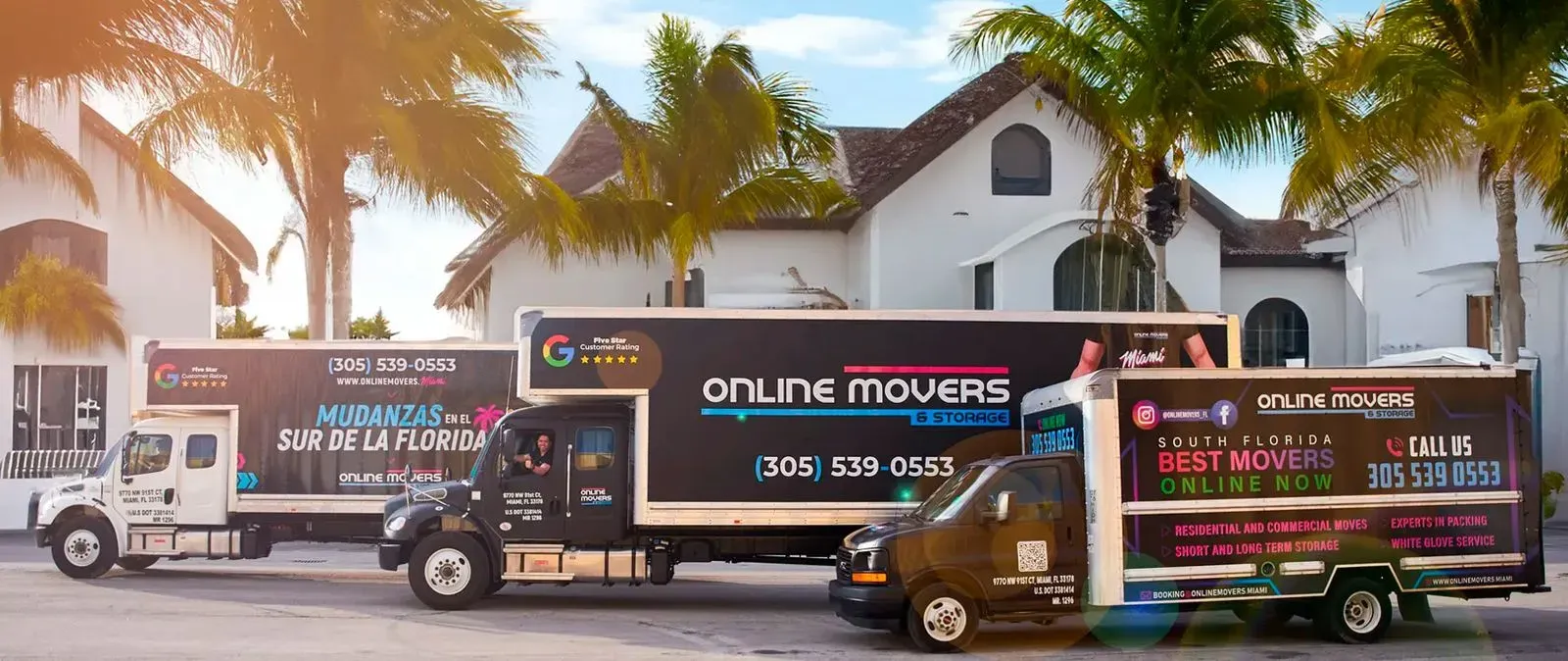
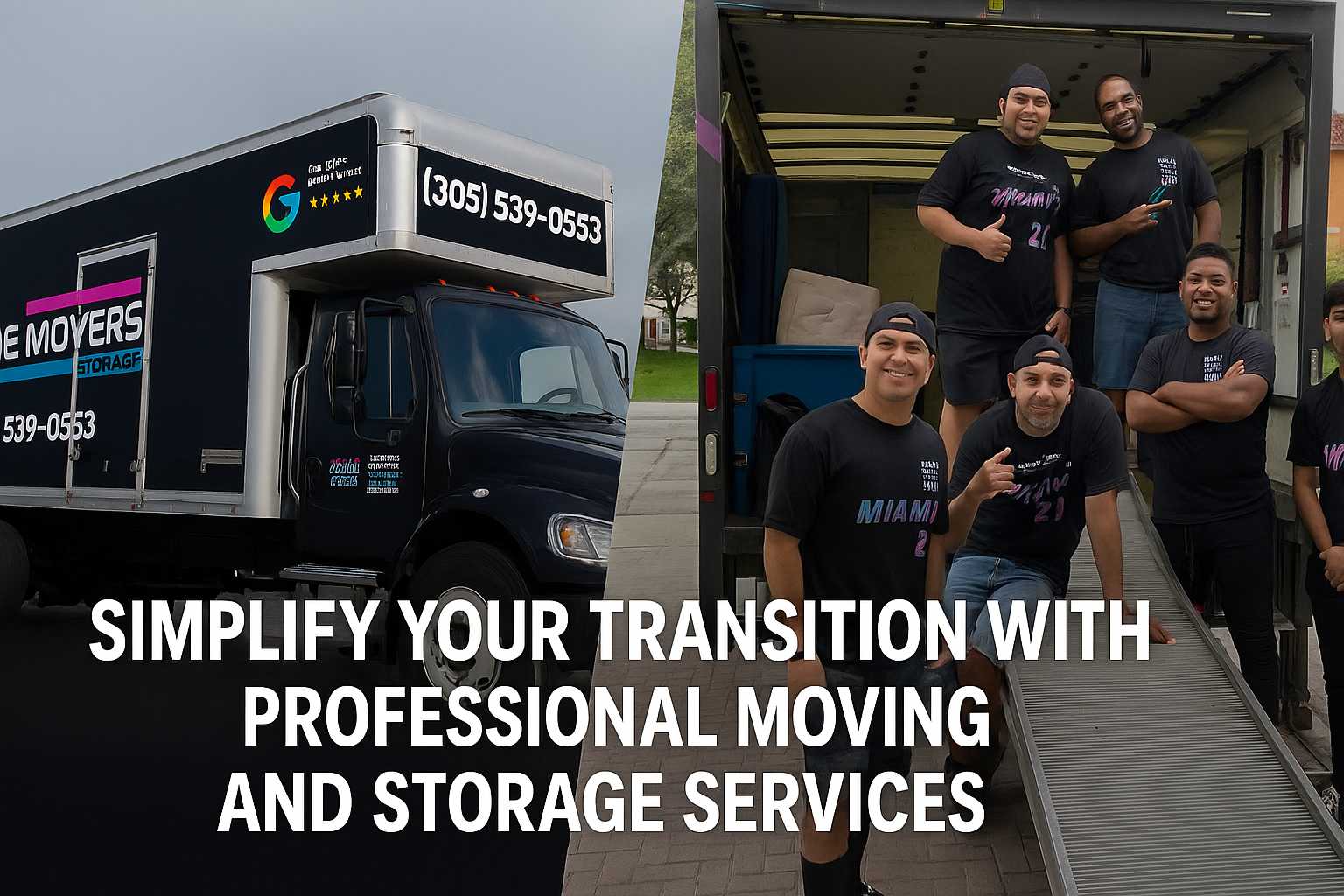
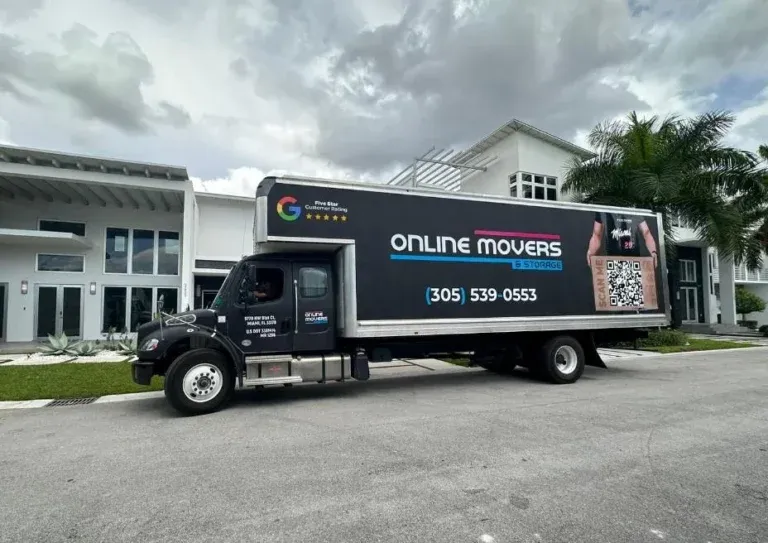
Online Movers & Storage — Miami's Most Trusted Moving Company
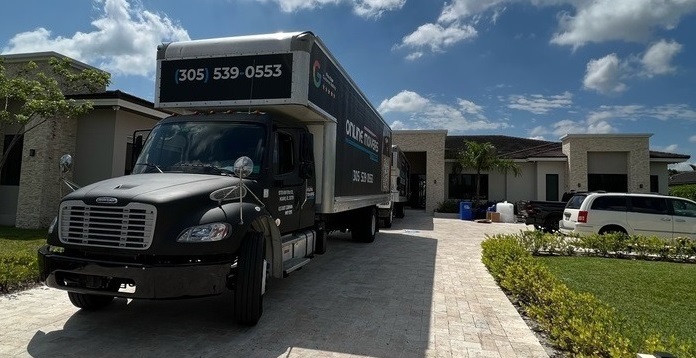
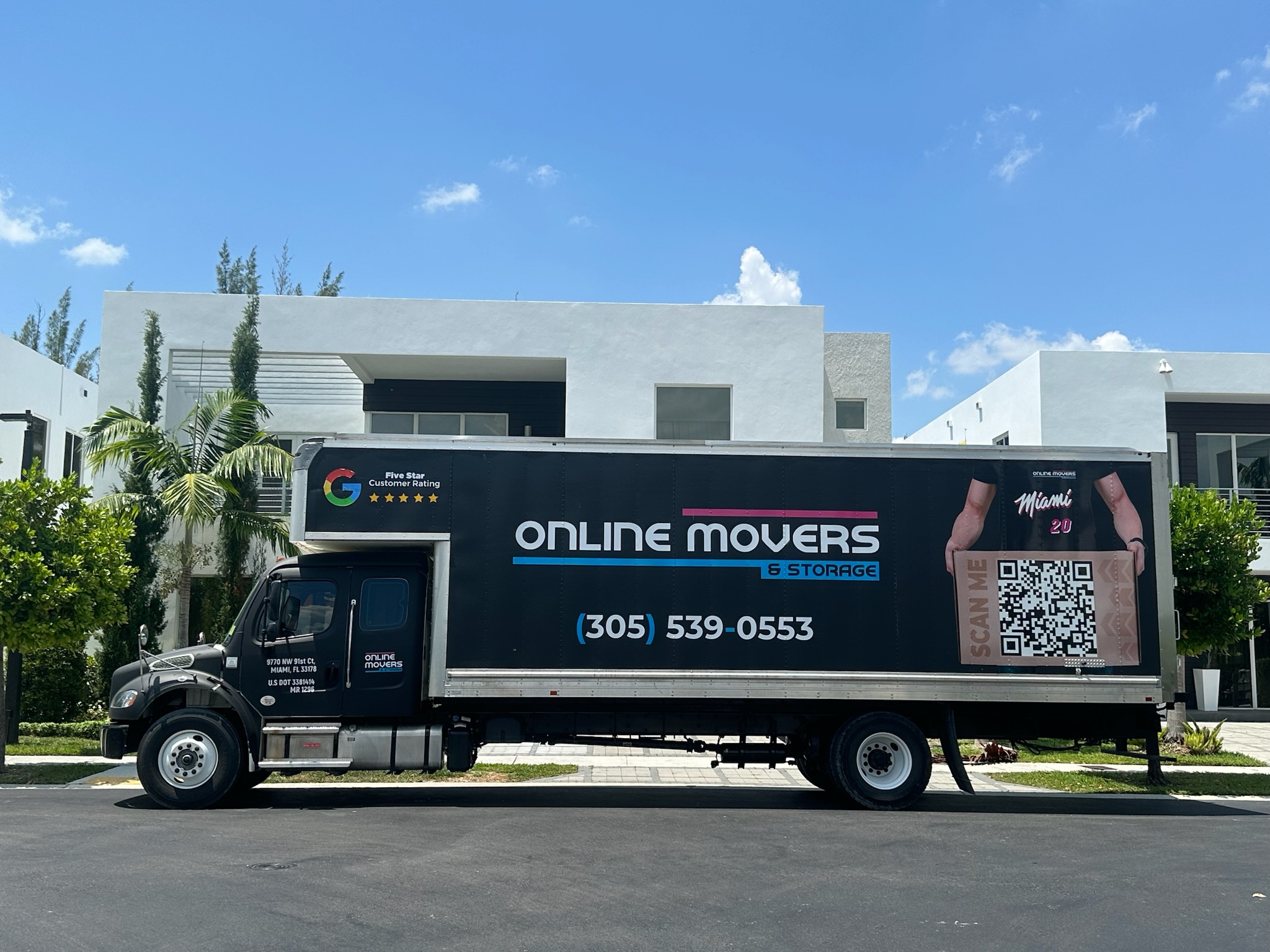
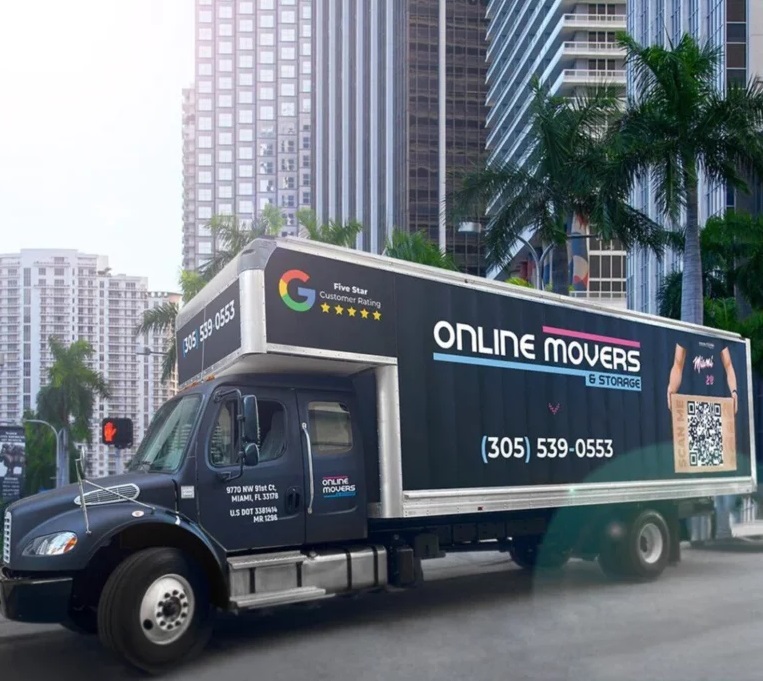
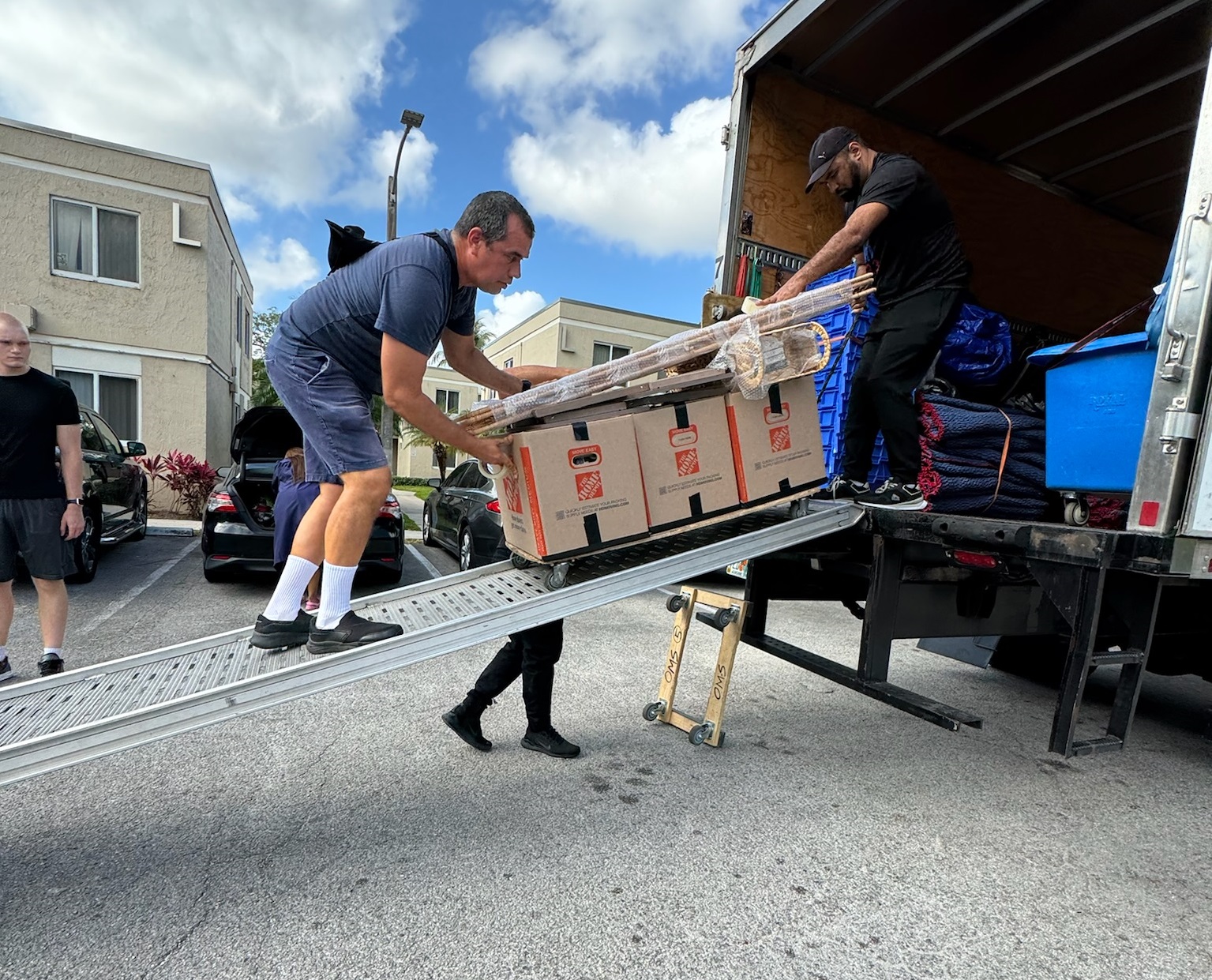
Whether you are moving to Miami from New York, Chicago, Los Angeles, or anywhere in between, Online Movers & Storage provides licensed, insured long distance moving services with door-to-door delivery to any address in South Florida. Call 305-539-0553 for your free quote — we respond in 15 minutes, 7 days a week.



.jpg)
.png)

.png)




.jpg)


%20(1).jpg)
.webp)
.webp)


.webp)